
First Hour After a Basement Flood: Do These 5 Things
Call Firstline 24/7 at (416) 900-3508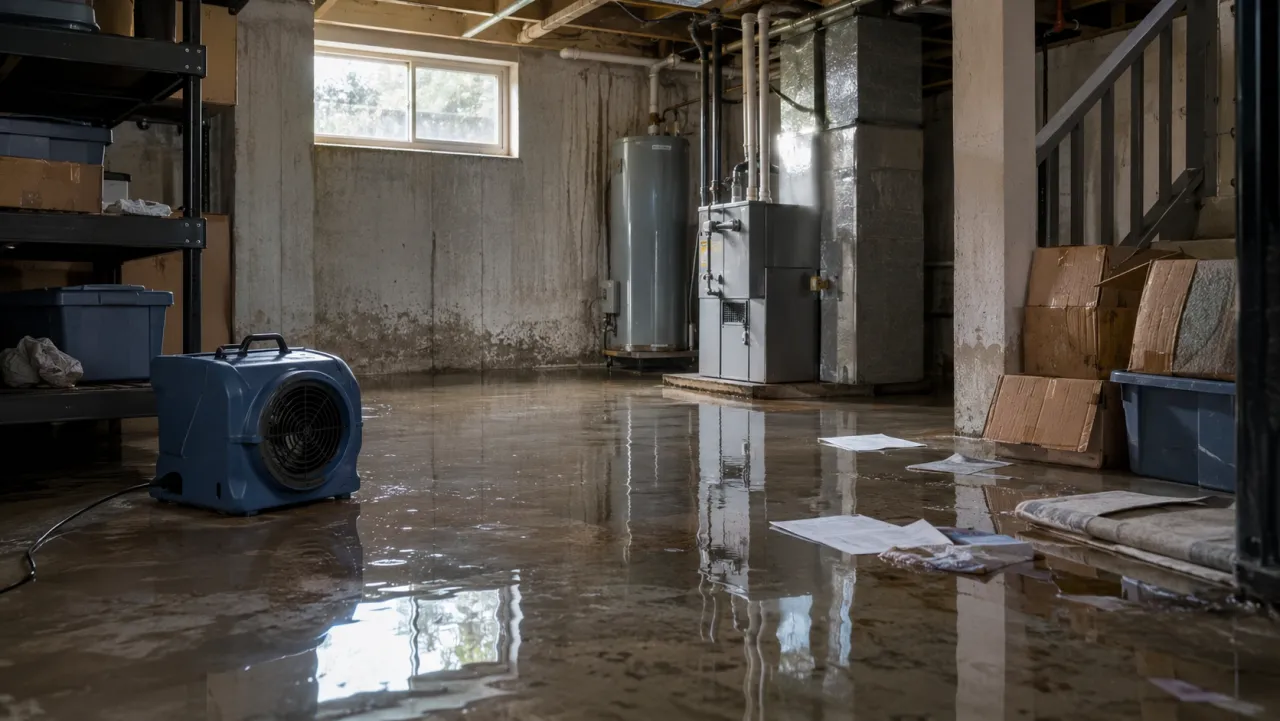
Walking down the stairs to a flooded basement is one of the worst feelings a GTA homeowner can have. Whether it is a sewer backup after a summer storm in Toronto, an overland flood, a failed sump pump, or a burst pipe, water spreads fast and damage compounds by the minute. The good news: what you do in the first hour after a basement flood has an outsized effect on how much you lose, how safe you stay, and how smoothly your insurance claim goes.
This guide walks you through exactly what to do after a basement flood, in the right order, plus the mistakes that quietly make things worse. We have been restoring flooded basements across the Greater Toronto Area since 2006, and these are the steps we coach homeowners through on the phone every single day.
Why the First Hour Matters So Much
Water damage is not a one-time event. It is a process that gets worse the longer water sits. Within the first 24 hours, drywall wicks moisture upward, baseboards swell, laminate flooring buckles, and the contents of your basement begin to absorb water. Mould can begin growing in as little as 24 to 48 hours in the warm, humid conditions a flooded basement creates.
The first hour is also when the biggest safety risks are present, when the source can often still be stopped, and when the evidence your insurer needs is freshest. Acting calmly and methodically right now protects your family, your property, and your wallet.
Step 1: Make Sure It Is Safe Before You Step In the Water
Before you wade into a flooded basement, stop and think about electricity and gas. Standing water plus live electrical equipment is a genuine electrocution hazard, and this is the step people most often skip in a panic.
Shut Off the Power, the Right Way
- Do not enter standing water if any electrical outlets, the furnace, the electrical panel, or appliances are submerged or close to being submerged.
- If you can reach your electrical panel without standing in water, shut off the breakers to the basement, or the main breaker.
- If the panel itself is in the flooded area or you would have to stand in water to reach it, do not touch it. Call an electrician or your utility, and stay out of the basement.
- When in doubt, treat the water as energized and keep everyone out until the power is confirmed off.
Watch for Gas and Sewage
If you smell natural gas (a rotten-egg odour), leave the home immediately and call Enbridge Gas and 911 from outside. If the flooding is from a sewer backup, treat the water as contaminated "black water." It can carry bacteria and viruses, so avoid skin contact, keep children and pets well away, and wear rubber boots and gloves if you must go near it.
Step 2: Stop the Source of the Water
Once you are sure it is safe to move around, your next job is to stop more water from coming in. The right action depends on where the water is coming from.
- Burst or leaking pipe, water heater, or appliance line: Shut off your home's main water valve. In most GTA homes it is on the foundation wall in the basement where the municipal water line enters, often near the water meter. Turn it fully clockwise. For a single fixture, you may be able to use its local shutoff valve instead.
- Failed or overwhelmed sump pump: If the pump has stopped and it is safe to reach the outlet, check whether it simply lost power or the float is stuck. If you have a battery backup or a generator, get the pump running again.
- Sewer backup: You usually cannot stop this at the source yourself. Stop running any water in the home (no flushing toilets, no laundry, no dishwasher) so you are not adding to the backup, and call a professional.
- Overland flooding or heavy storm water: If water is entering from outside through windows or the foundation, you cannot stop the weather, but you can move quickly to the documentation and mitigation steps below.
If you cannot identify or reach the source, that is a sign to call for emergency help right away rather than risk making it worse.
Step 3: Document Everything for Your Insurance Claim
This step costs you a few minutes and can be worth thousands of dollars. Before you start moving things or cleaning up, document the damage thoroughly while it is at its worst.
- Take photos and video of the standing water, the depth on the walls, every damaged item, and the area where water entered. Capture wide shots and close-ups.
- Record the date and time and, if relevant, note the weather (for example, a major Toronto rainstorm) since insurers often cross-reference storm events.
- Make a list of damaged contents with rough values, and find receipts if you can. A current home inventory makes this far easier.
- Do not throw anything out yet. Move ruined items to one area if you must, but keep them until your adjuster has seen them or approved disposal.
Know What Your Ontario Policy Likely Covers
This matters because coverage in Ontario is not automatic. Standard home insurance policies generally do not cover sewer backup, overland flooding, or rising ground water unless you have added those specific endorsements. Sewer backup coverage and overland water coverage are usually optional add-ons. Sudden, accidental damage from an indoor source like a burst pipe is more commonly covered. Call your insurer or broker early to confirm what applies and to open a claim, and ask whether you have a backwater valve or sump pump discount on file.
Step 4: Start Mitigating Damage (Without Putting Yourself at Risk)
Insurers expect homeowners to take reasonable steps to prevent further damage once it is safe to do so. After you have documented everything, you can begin light mitigation:
- Remove water you safely can. A wet/dry shop vacuum, a mop, or towels can handle small amounts. For deep water, wait for professional extraction.
- Lift contents out of the water. Move furniture, boxes, electronics, and valuables to a dry upper floor. Put aluminum foil or wood blocks under furniture legs to stop staining.
- Get air moving. Open windows if the weather is dry, and run fans and a dehumidifier to start drying the space and slow mould growth.
- Pull up soaked area rugs so they do not stain or rot the flooring underneath.
If the water is from a sewer backup or contains sewage, skip the DIY cleanup. Contaminated water needs proper protective equipment, extraction, and antimicrobial treatment to make the space safe again.
Step 5: Call a Professional Restoration Crew
There is a difference between bailing out water and properly restoring a basement. Water hides inside wall cavities, under flooring, and behind baseboards where a shop vac cannot reach. If that moisture is not measured and dried out completely, you end up with warped materials, lingering odours, and hidden mould weeks later.
A professional crew uses truck-mounted extractors, commercial air movers, dehumidifiers, and moisture meters to dry the structure to a verified standard, not just to "looks dry." We also coordinate directly with your insurance adjuster, which takes a huge weight off your shoulders during a stressful event.
What NOT to Do After a Basement Flood
- Do not step into standing water near energized electrical equipment.
- Do not use household electronics or appliances that have been wet until they are inspected.
- Do not use a regular household vacuum to suck up water.
- Do not throw out damaged items before documenting them and checking with your insurer.
- Do not assume the basement is dry just because the surface looks dry. Trapped moisture is what causes mould.
- Do not wait days to start drying. The clock on mould starts within 24 to 48 hours.
Flooded Basement Right Now? We Can Help Fast.
Firstline Restoration has been drying out and restoring GTA basements since 2006. We are licensed, insured, and WSIB compliant, with a 5-star Google reputation and a 45-minute emergency response across the Greater Toronto Area. Call us now and we will walk you through what to do until our crew arrives.
Call (416) 900-3508 for 24/7 emergency basement flood restoration.
How Firstline Restoration Helps
From the first phone call, we help you stay safe, stop the damage, and get your home back to normal. Our full range of services covers every cause of a flooded basement, including comprehensive water damage restoration, complete basement flood restoration, storm and flood damage restoration, and sump pump service and backup installation to help prevent the next flood from ever happening.
Frequently Asked Questions
How quickly do I need to act after a basement flood?
Immediately. Mould can begin growing within 24 to 48 hours, and materials like drywall and flooring absorb water within hours. The first hour should be spent securing safety, stopping the source, and documenting the damage. Professional drying should start as soon as possible, ideally the same day.
Will my home insurance cover a flooded basement in Ontario?
It depends on your policy and the cause. Standard Ontario policies often exclude sewer backup, overland flooding, and ground water unless you have added those specific endorsements. Sudden indoor sources like a burst pipe are more commonly covered. Contact your insurer or broker right away to confirm coverage and open a claim.
Can I just dry the basement out myself?
For very minor, clean-water spills you can manage with fans and a dehumidifier. For anything involving deep water, sewage, or water that has reached walls and flooring, professional extraction and structural drying are strongly recommended so hidden moisture does not turn into mould and costly repairs later.
Water, fire, or mould emergency in the GTA?
45-minute emergency response. Documented, insurance-ready work. We answer 24/7/365.
Call (416) 900-3508